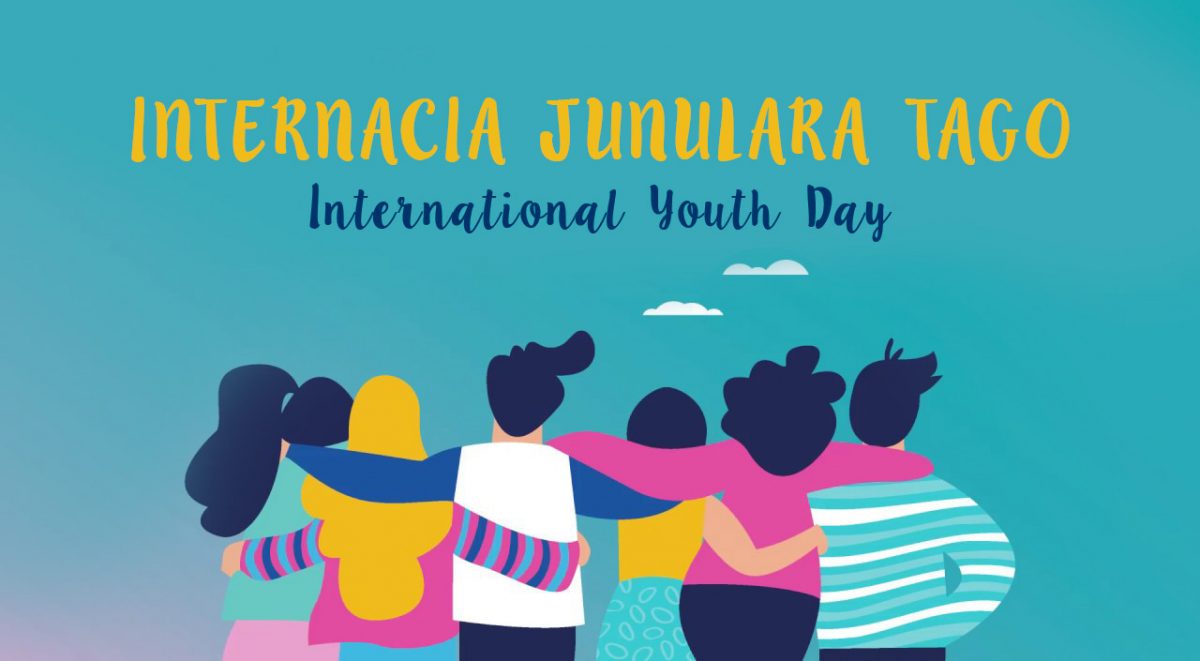
[:eo]
En 1999, la Ĝenerala Asembleo de UN (RES 54/120) aprobis «la rekomendon de la Monda Konferenco de Ministroj de Junularo (…), ke la 12-a de aŭgusto estu deklarita Internacia Junulara Tago». La starigo de tiu grava tago estis rimarkinda, ĉar ĝi emfazis la centran rolon de junuloj en la publika sfero kaj rilate al nuntempaj aferoj, en kiuj niaj socioj luktas.
Dudekunu jarojn poste, ni povas vidi kiom grava kaj trafa ĉi tiu establo estis. Efektive, tra la jaroj, junulara partopreno en la kampoj de klimata agado, genra egaleco, socia justeco, paco kaj sekureco kaj aliaj gravaj temoj por Tutmondaj Homaj Rajtoj estis rimarkinda kaj esenca. Junuloj fervore kontribuis al mondo respektema al homaj rajtoj kaj UN-valoroj, kreante ŝancojn kaj esperon por tiuj, kiuj estas en vundeblaj kondiĉoj. Ni povas observi la pliigitan junularan partoprenon en la UN-sistemo, en la Konsilio de Eŭropo, la Eŭropa Unio kaj aliaj demokratiaj strukturoj, kaj ilian unikan kontribuon al la Celoj por Daurigebla Evoluigo kaj la 2030-Agendo, kie ili «estis aktivaj arkitekturistoj en ĝia disvolviĝo kaj daŭras okupiĝi pri la kadroj kaj procezoj kiuj subtenas ĝian efektivigon, sekvadon kaj revizion».
La Internacia Junulara Tago estas ne nur tago por festi, sed ankaŭ plifortigi la devontigon de la membroŝtatoj aktive impliki kaj konsideri junulojn en siaj decidoj. Ekzemple, la temo de ĉi-jara Junulara Tago estas «Transformaj Manĝaĵaj Sistemoj: Junulara Novigado por Homa kaj Planeda Sano». Ĉi tiu temo leviĝis ankaŭ dum la Junulara Forumo 2021 de EKOSOK, kie miloj da junuloj aktive partoprenis, kie «la elstarigitaj aferoj kaj prioritatoj inkluzivis iliajn vidpunktojn pri la efiko de la pandemio KOVIM-19, aparte rilate al ĝia efiko al homa sano, la naturmedio, kaj nutraĵaj sistemoj».
Ĉi tiu tutmonda afero estas pritraktebla nur se junaj homoj estas aktiva parto de la solvo. Tial en la oficialaj rezultaj rekomendoj de la Forumo oni mencias, ke: «junaj partoprenantoj emfazis la gravecon labori por pli justaj manĝosistemoj. Krome, oni reliefigis la bezonon de junuloj fari informitajn decidojn pri manĝaĵaj elektoj per kreskanta tutmonda edukado pri la plej sanaj kaj daŭrigeblaj ebloj por individuoj kaj por la medio.».
Tutmonda Esperanta Junulara Organizo (TEJO), kiel monda organizaĵo de junuloj, disvolviĝis tra la jarojn. Ĝi havigis al si centran rolon en la internacia kampo de junularaj rajtoj, precipe rilate al kulturo kaj lingvoj, kie junuloj aktive partoprenas kaj rajtas kontribui per siaj ideoj kaj agoj. En ĉi tiu Internacia Junulara Tago, TEJO, en partnereco kun Universala Esperanto-Asocio (UEA), dankas ĉiujn junulojn kiuj kontribuis al nia misio kaj al la unika mesaĝo de nia movado kaj ni promesas plu batali por junulaj rajtoj, niaj rajtoj, sur la tutmonda nivelo.
[:en]
In 1999, the UN General Assembly (RES 54/120) endorsed «the recommendation made by the World Conference of Ministers of Youth (…) that 12 August be declared International Youth Day». The establishment of that important day was remarkable as it spotlighted the central role of young people in the public sphere and in regards to contemporary issues that our societies are struggling in.
21 years later, we can see how important and relevant this establishment was. Indeed, throughout the years, the youth involvement in the fields of climate action, gender equality, social justice, peace and security and other important subjects for Global Human Rights has been remarkable and essential. Young people have eagerly contributed to a world respectful towards human rights and UN values, creating opportunities and hope for those who are in vulnerable conditions. We can observe the increased youth participation in the UN system, in the Council of Europe, the European Union and other democratic structures, and their unique contribution to the Sustainable Development Goals and the 2030 Agenda, where they «have been active architects in its development and continue to be engaged in the frameworks and processes that support its implementation, follow-up and review».
The International Youth Day is not only a day to celebrate but also to reinforce the commitment of member states to actively involve and consider young people in their decisions. For example, the theme of this year’s Youth Day is «Transforming Food Systems: Youth Innovation for Human and Planetary Health». This theme was raised also during the 2021 ECOSOC Youth Forum, where thousands of youth people actively participated and «the issues and priorities highlighted included their views on the impact of the COVID-19 pandemic particularly related to its effect on human health, the environment, and food systems».
This global issue can only be tackled with young people being an active part of the solution. That is why in the Forum’s official outcome recommendations state that: «young participants stressed the importance of working towards more equitable food systems. In addition, they highlighted the need for youth to make informed decisions on food choices through increasing global education on the healthiest and most sustainable options for both individuals and the environment».
The World Esperanto Youth Organization (TEJO), as a global youth organization, has developed throughout the years a central role in the international field of youths rights, especially in relation to culture and languages, where young people actively participate and are empowered to contribute with their ideas and their actions. On this International Youth Day, TEJO, in partnership with the Universal Esperanto Association (UEA), thanks all the young people who have contributed to our mission and the unique message of our movement and we promise to continue fighting for youth rights, our rights, on the global level.
Karaj Gesamideanoj
Chu vi povus diri min ke TEJO kunlaboras Europa Komisiono pri MLA ( Mult-Lingva Akcelilo )
Dankegas vin
Karaj Gesamideanoj
Chu vi povus diri min ke TEJO kunlaboras Europa Komisiono pri MLA ( Mult-Lingva Akcelilo )
Dankegas vin
Mi ne konas Akismet. Mibedauras
Pingback: Internacia Junulara Tago 2021 - La Ondo de EsperantoLa Ondo de Esperanto